
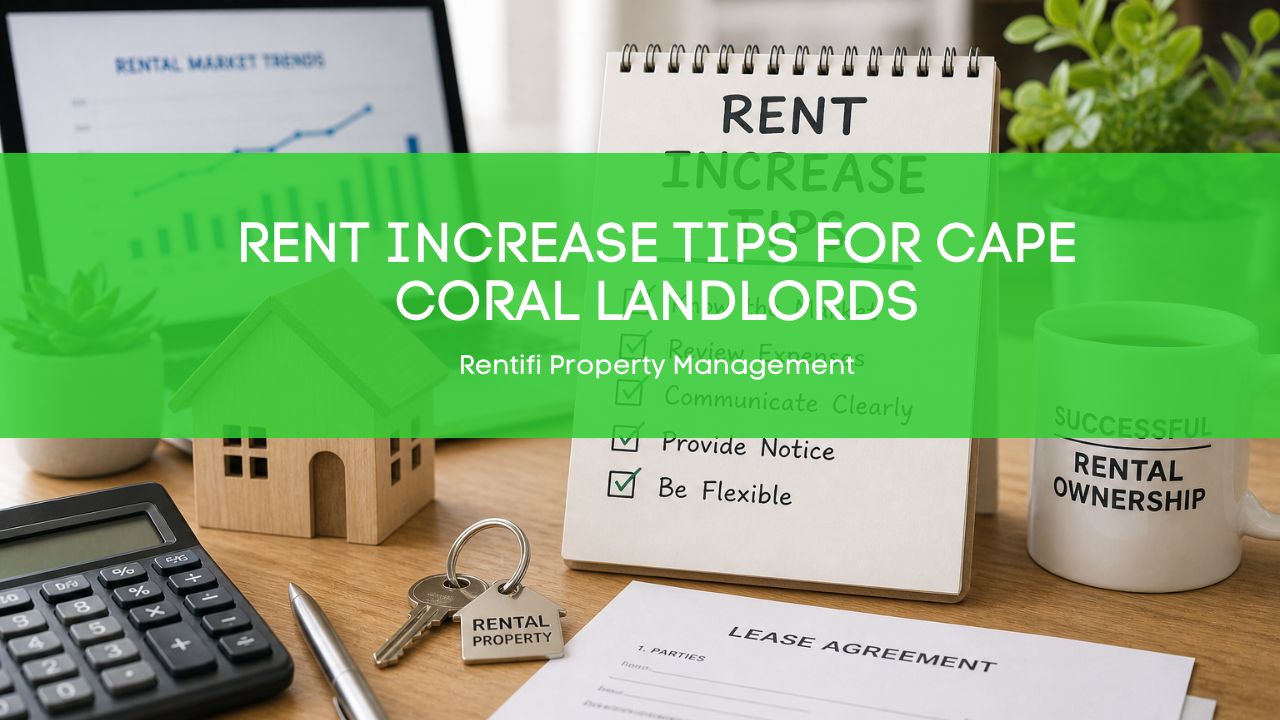
Rent increases are one of the more delicate parts of owning rental property. Even when the numbers make sense, the conversation can still feel uncomfortable, especially when you have a good tenant in place.
For Cape Coral landlords and real estate investors, the goal is not just to raise rent. The goal is to explain the increase clearly, support it with real reasons, and preserve the relationship whenever possible. Rentifi Property Management helps rental owners approach these conversations with the right balance of professionalism, transparency, and care.
Key Takeaways
- Landlords often worry about upsetting good tenants, so the focus should be on explaining the reason behind the rent increase clearly.
- Tenants may question whether the increase is fair, which is why market comparisons and written documentation matter.
- A sudden increase can create tension, especially with long-term tenants, so gradual adjustments may help protect retention.
- Rental owners need to account for rising expenses without making the message feel personal or careless.
- A well-handled rent increase can support cash flow while reducing confusion, pushback, and avoidable turnover.
Why Rent Increases Need to Be Handled Carefully
A rent increase is not just a financial update. It is a communication moment.
Tenants usually understand that costs go up, but they still want to feel respected. If the message feels abrupt, vague, or unfair, even a reasonable rent increase can turn into frustration. That frustration may lead to late payments, lease non-renewal, poor communication, or unnecessary conflict.
For property owners, the bigger picture is simple: rent needs to keep pace with the market, but vacancy is expensive too. A well-priced rental that keeps a reliable tenant is often better than pushing rent too aggressively and losing someone who pays on time and takes care of the home.
That balance matters even more in competitive Florida rental markets, where owners are watching insurance, maintenance, taxes, and local rent trends closely.
Start With the Business Reason, Not the Emotion
The first mistake many landlords make is overexplaining or apologizing too much. The second mistake is sounding cold or defensive.
The better approach is calm, direct, and factual.
A rent increase should be framed as a business decision based on property expenses and market conditions. For example, you might explain that maintenance costs, insurance premiums, property taxes, and general operating expenses have increased. You can also explain that the property needs to stay reasonably aligned with similar rentals in the area.
This helps the tenant understand that the increase is not personal. It is tied to the cost of owning and maintaining the property.
Rental property owners should also understand how rental income and expenses affect the financial side of ownership, including repairs, improvements, and reporting requirements. For broader context, rental income and property expense rules can help owners understand why proper recordkeeping matters.
Use Market Comparisons to Support the Increase
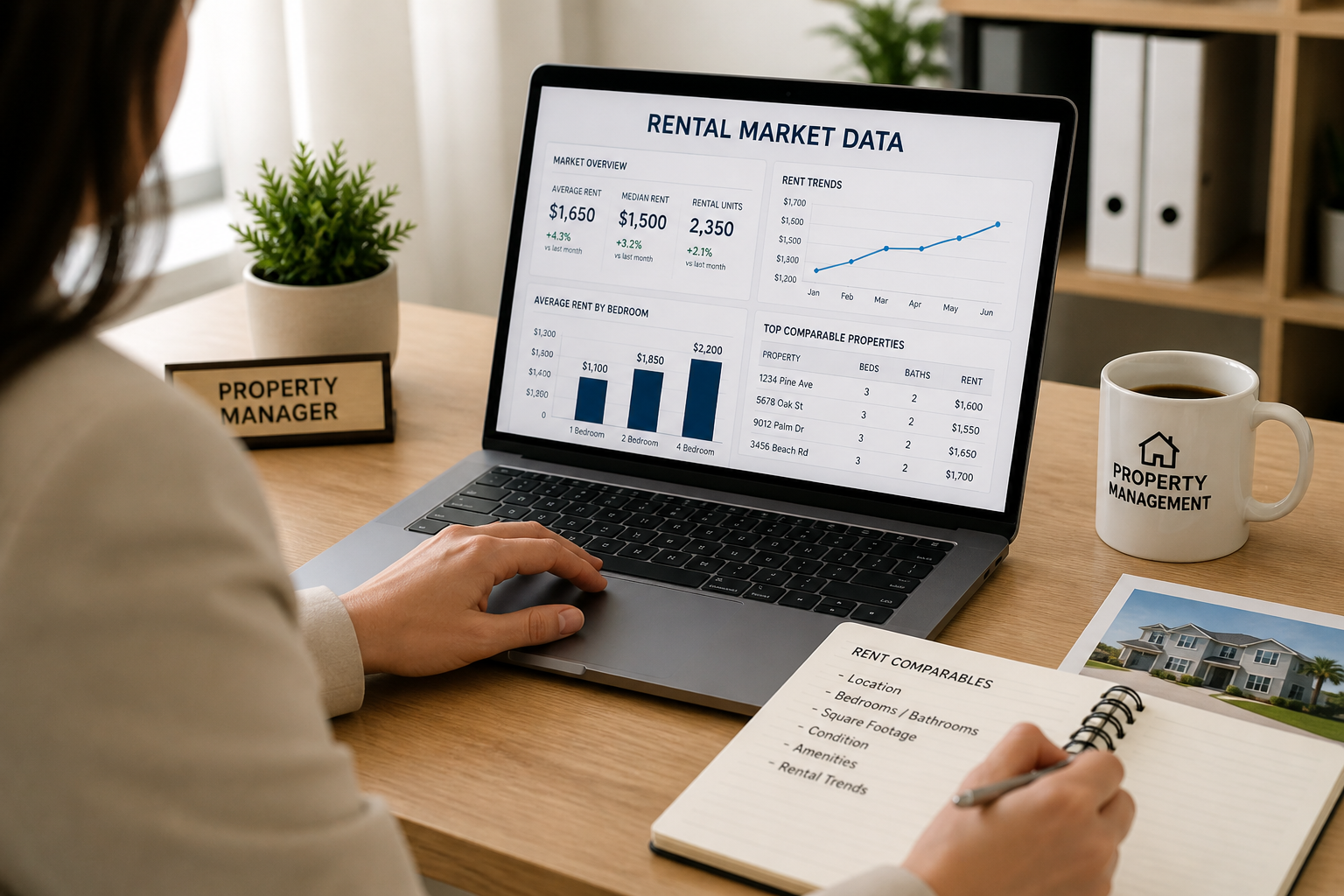 Tenants are more likely to accept a rent increase when they can see that it is based on reality, not guesswork.
Before sending notice, review comparable rentals. Look at properties with similar:
- Location
- Bedroom and bathroom count
- Square footage
- Property condition
- Amenities
- Lease terms
- Pet policies
- Parking, pool access, or outdoor space
If similar homes are renting for $1,500 and your tenant is paying $1,000, that gap matters. Still, the way you present it matters just as much as the number itself.
Instead of saying, “The market is higher, so your rent is going up,” explain that you reviewed comparable properties and are adjusting the rent to bring the home closer to current market conditions.
National rental trends can provide useful background, but local data should carry the most weight. Owners can review broader rental market research and rent trend data to understand the larger market, then compare that against Cape Coral-specific rental activity.
For investors evaluating nearby markets, it can also be helpful to understand how rent strategy fits into acquisition decisions. Rentifi’s resource on buying investment property in Fort Myers offers useful perspective for owners comparing rental opportunities in Southwest Florida.
Consider the Tenant’s History Before Setting the Final Number
Not every rent increase should be treated the same.
A tenant who has lived in the home for several years, pays on time, reports maintenance issues responsibly, and takes good care of the property has real value. Losing that tenant could mean turnover repairs, vacancy time, leasing costs, and uncertainty with the next renter.
In some cases, a gradual rent increase is the smarter move.
For example, if market rent is $1,500 and the tenant is currently paying $1,000, jumping all the way to market rate at renewal may create sticker shock. A more measured increase, such as moving to $1,350 or $1,400, may still improve cash flow while showing the tenant that their history is valued.
That does not mean landlords should underprice their property forever. It means the rent strategy should account for both market value and tenant performance.
Put the Rent Increase in Writing
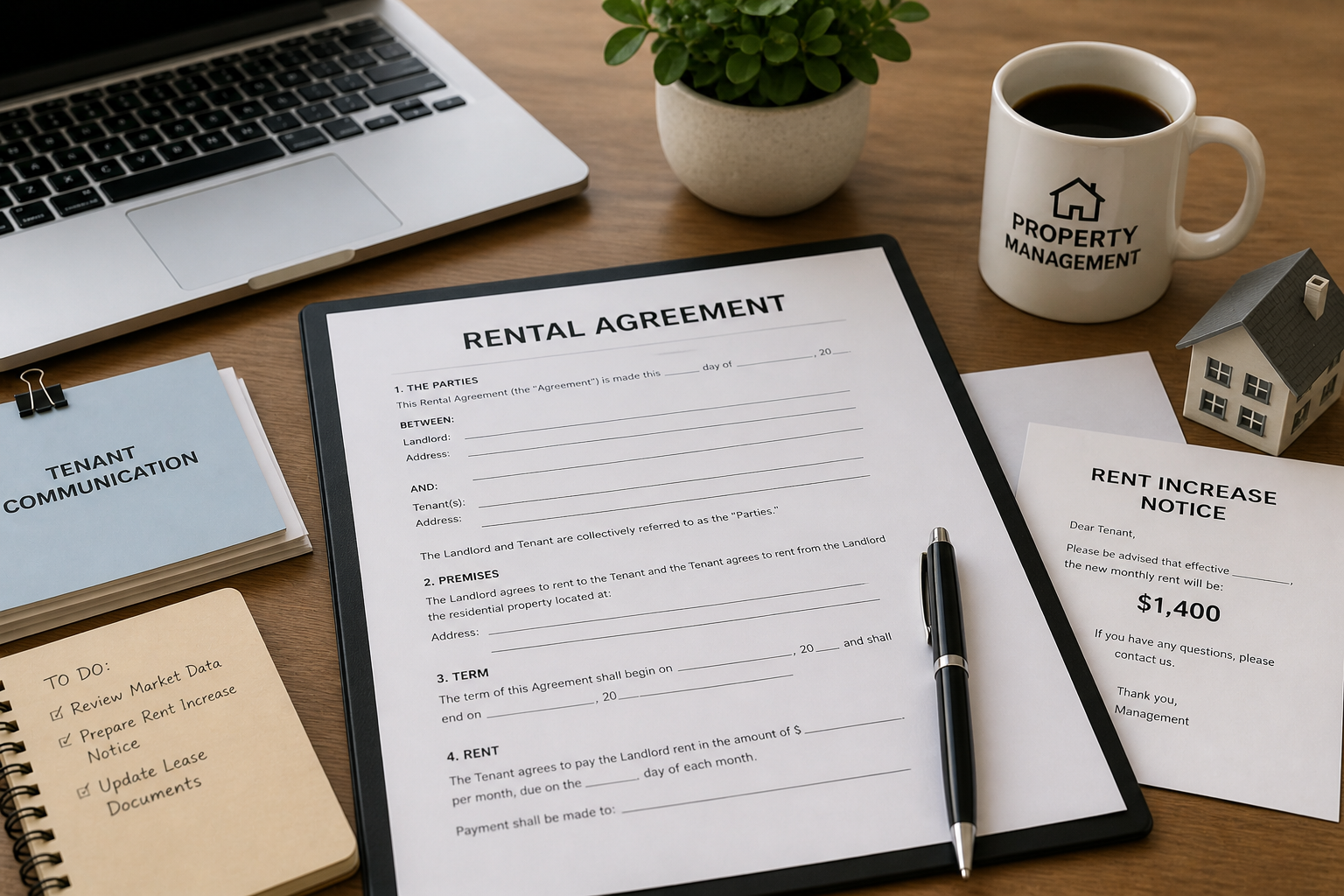
A verbal conversation can help soften the message, but the official rent increase should always be documented in writing.
The written notice should include:
- The current rent amount
- The new rent amount
- The effective date
- The reason for the adjustment
- Any renewal terms
- The deadline for the tenant to respond, if applicable
Keep the letter professional and simple. Avoid emotional language, long explanations, or anything that could sound inconsistent from tenant to tenant.
Written communication also helps prevent misunderstandings. If the tenant forgets the new amount or the effective date, both sides have a clear document to reference.
Landlords should also be mindful that rental communication and housing decisions must be handled consistently and fairly. Federal fair housing protections apply to many rental housing situations, and owners should avoid language or decisions that could appear discriminatory. A clear understanding of fair housing responsibilities for rental housing is important for anyone managing tenants.
Offer Flexibility Without Weakening the Boundary
Some tenants will accept a rent increase without much discussion. Others may be stressed, surprised, or concerned about affordability.
When that happens, stay professional. Listen first. Then decide whether flexibility makes sense.
Flexibility could include:
- A phased increase over several months
- A longer renewal term with a smaller increase
- A short payment arrangement for the first month of the increase
- A conversation about renewal options before listing the property
The key is to be compassionate without losing control of the business decision. You can acknowledge that the change may be difficult while still making it clear that the adjustment is necessary.
For Cape Coral owners focused on long-term rental performance, keeping strong tenants is closely tied to vacancy reduction. Rentifi’s advice on keeping vacancies low at a Cape Coral rental property connects directly to this issue because pricing, communication, and tenant retention all work together.
Avoid These Common Rent Increase Mistakes
Even experienced landlords can mishandle rent increases when they rush the process.
Common mistakes include:
- Giving too little notice
- Raising rent without reviewing comparable rentals
- Using vague explanations
- Sounding apologetic or defensive
- Applying increases inconsistently
- Ignoring the tenant’s payment and maintenance history
- Forgetting to document the change in writing
A rent increase should never feel random. The more prepared you are, the smoother the conversation usually goes.
Think Like an Investor, Not Just a Landlord
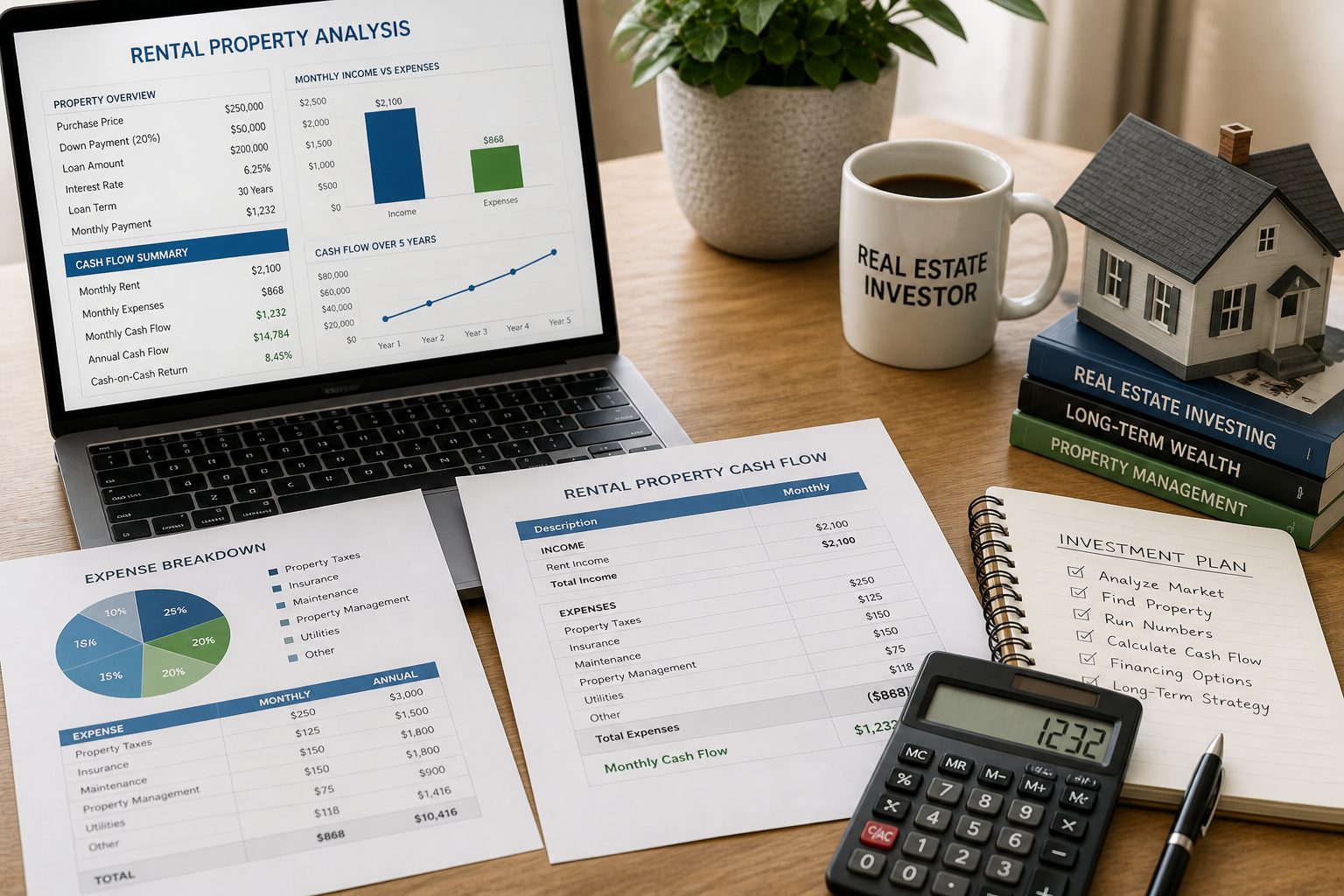
Rent increases should be part of a larger investment strategy.
If rent is too low for too long, the property may not produce the income needed to cover rising expenses. If rent is pushed too high too quickly, the owner may create vacancy and turnover costs that reduce the benefit of the increase.
The right number sits somewhere between market value, property condition, tenant quality, and long-term investment goals.
Owners building a rental portfolio should regularly review how rent pricing affects cash flow, maintenance planning, and future acquisitions. Rentifi’s resource on real estate investing in Fort Myers is a helpful companion for thinking through rental ownership with a bigger-picture mindset.
A Quick Note on Rent Increase Rules
Rent increase requirements can vary based on the lease, local rules, notice periods, and the specific rental situation. Before changing rent, property owners should review their lease agreement and confirm they are following all applicable landlord-tenant requirements. When in doubt, it is wise to speak with a qualified attorney or local housing professional before sending formal notice.
Final Thoughts
Rent increases are never the most comfortable part of property ownership, but they do not have to damage the tenant relationship. When handled with clear reasoning, market support, written documentation, and a respectful tone, they can be a normal part of responsible rental management. Rentifi Property Management helps owners approach these decisions with confidence, professionalism, and a practical understanding of the Cape Coral rental market.
